Grease, sludge, roots, years of debris—pipes collect all of it. And at some point, the buildup wins. Drains slow down, blockages come back faster after each cleaning, and the usual fixes stop holding.
Hydro jetting is what gets used when that happens. Not a chemical poured in and left to work, not a snake pushing a clog further down the line—actual high-pressure cleaning that strips the inside of the pipe. This guide explains how it works, what it handles, and when it is the appropriate decision.
What Is Hydro Jetting?
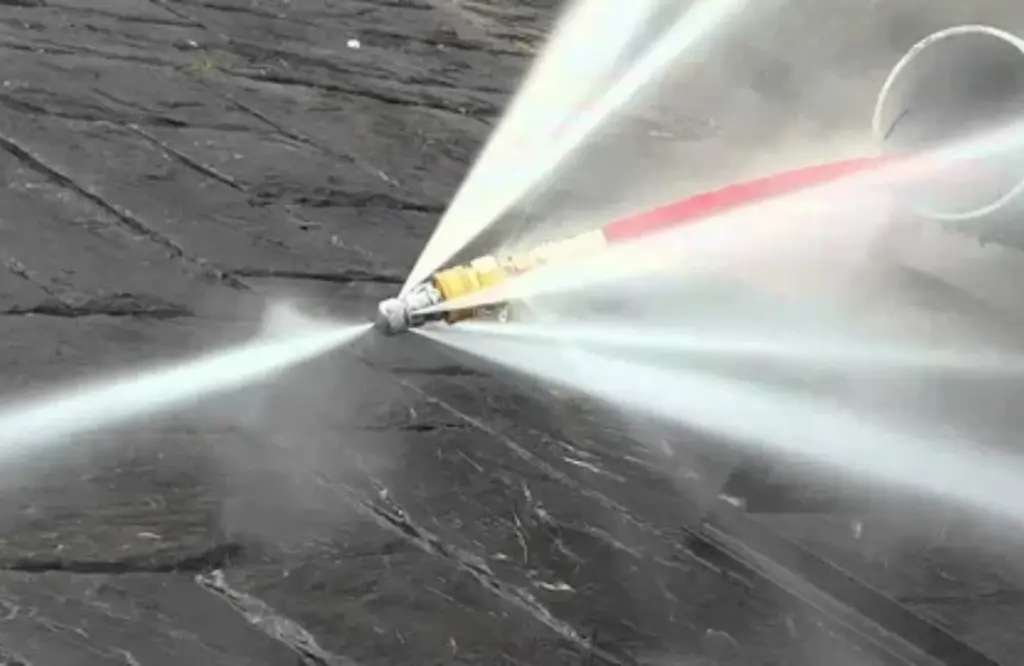
Hydro jetting sends pressurized water through a pipe via a specialized nozzle. The pressure is high enough to break apart blockages, cut through grease, and blast debris off the pipe walls.
Standard drain cleaning tools move a clog. Hydrojetting removes it—along with everything else coating the inside of that pipe. That is what makes the results last longer than a basic snaking job.
How Hydro Jetting Works
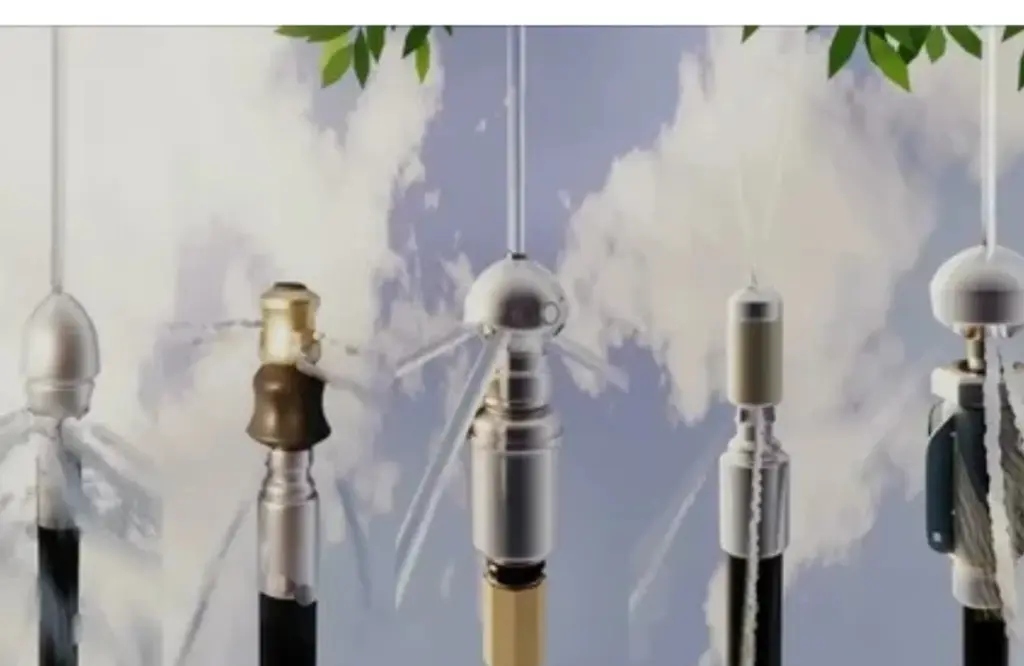
A flexible hose gets fed into the drain. Water pumps through at controlled high pressure—the level depends on the pipe material and how bad the buildup is. The nozzle sprays in multiple directions, hitting the walls and not just the center of the pipe.
That is what distinguishes pipe jetting from other cleaning methods. It is not targeted at one spot. As the hose moves through the pipe, it cleans it completely. Drain jetting and pipe jetting follow the same process, just scaled to the size and type of the system being cleaned.
Hydro Jetting for Sludge Removal
Sludge is what happens when grease, soap, and dirt combine and sit inside a pipe long enough to thicken. It coats the walls, narrows the pipe opening, and catches everything else that comes through.
Sludge removal with hydro jetting does not just push the mass through — it breaks it down and washes it out completely. Chemical cleaners soften it temporarily. High-pressure cleaning actually clears it. The difference shows up a few months later when the drain is still running clean instead of slowing back down.
Hydro Jetting for Root Removal
Tree roots find their way into underground pipes through small cracks or loose joints. Once inside, they grow. Slowly at first, then enough to restrict flow, then enough to block it entirely.
Hydro jetting handles root removal for smaller intrusions—the kind that have not fully taken over the pipe yet. The pressure cuts through the roots, flushing the debris away. For major root damage where the pipe itself is compromised, jetting clears the line, but additional repair work usually follows.
When to Use Hydro Jetting
A drain that clears after one snaking and stays clear for a year—that does not need hydro jetting. A drain that slows down again three weeks after cleaning, or one that has never been properly cleared in years—that does.
Recurring blockages, slow drains that basic methods cannot fix, bad odors coming from the line — these point to buildup that sits beyond where a snake reaches. A plumber inspects the pipe first to confirm it can handle the pressure before anything gets run through it.
Is Hydro Jetting Safe?
On pipes in decent condition, yes. The pressure gets calibrated based on what the pipe is made of and how old it is. Cast iron handles different pressure than PVC. Professionals account for that before starting.
Older pipes or those with existing cracks need inspection first. Running high-pressure cleaning through a pipe that is already failing makes the damage worse. A camera inspection beforehand is standard practice — it shows what is in the pipe and whether the pipe itself is in good enough shape for jetting.
Drain Jetting vs. Sewer Jetting—What Is the Difference?
Drain jetting handles the smaller pipes—sinks, showers, and tubs. Hair, grease, and soap buildup. These are the lines that connect individual fixtures in the home.
Sewer jetting works on the main sewer line and larger underground pipes. Heavier blockages, deeper buildup, root intrusions. Same technology, different scale. The pressure settings and equipment used for sewer jetting are adjusted for the pipe diameter and the kind of buildup being cleared.
Benefits of Hydro Jetting
The reason hydro jetting holds up better than basic cleaning methods is not complicated
- It cleans more of the pipe than just the clogged section.
- Clears the full pipe wall, not just the clog.
- Handles sludge, grease, roots, and debris in one pass.
- Results last longer than snaking or chemical treatments.
- Works on residential and commercial plumbing systems.
- Reduces how often the same drain needs attention.
Conclusion
Hydro-jetting works because it cleans the pipe, not just removes the blockage. Sludge removal, root removal, years of grease layered on pipe walls — high-pressure cleaning handles what other methods leave behind. It is not the first tool to use when dealing with a minor clog. It is the one that makes sense when the problem keeps coming back or when basic cleaning has stopped being enough.
For many years, Barbosa Plumbing & Sewer, a family-run business, has handled trenchless pipe lining, hydro jetting, drain jetting, and sewer jetting. Licensed plumbers, honest pricing, no runaround. If the pipe keeps blocking or the buildup has gone past what basic cleaning can fix, call Barbosa Plumbing & Sewer and get it sorted.
Frequently Asked Questions
Q1. What is hydro jetting used for?
Clearing the buildup that basic tools cannot reach. Grease, sludge, roots, and years of debris coat the pipe walls. It works where snaking and chemical cleaners stop being effective.
Q2. How is hydro jetting different from drain cleaning?
A drain snake moves the blockage. Hydro jetting removes the blockage and cleans the pipe walls at the same time. One is a temporary fix. The other clears the root cause.
Q3. Can hydro jetting remove tree roots from pipes?
For smaller root intrusions, yes. The pressure penetrates them and flushes the debris away. Severe root damage — where the pipe itself is cracked or crushed — needs repair work beyond what jetting can handle.
Q4. Is hydro jetting safe for all pipes?
Not without an inspection first. Pipes in good condition handle it fine. Older or damaged pipes need to be checked before any high-pressure cleaning runs through them.
Q5. When should someone choose hydro jetting?
When the same drain keeps blocking up after cleaning. When multiple fixtures are slow. When the buildup has been sitting long enough that basic methods are not touching it anymore.