You step into the shower after a tough day in Compton expecting that perfect hot spray. Instead your tankless water heater delivers a weak lukewarm trickle. The disappointment hits hard because you chose this system for endless hot water and lower bills. Yet without proper care the unit slowly loses power and efficiency.
Many local homeowners love their tankless water heater for the space it saves and the energy it cuts. Still sudden drops in hot water pressure sneak up when maintenance gets skipped. Regular water heater maintenance keeps everything running smooth. It protects your investment and stops small problems from turning into big repairs.
Tank vs Tankless: Why the Difference Matters for Lifespan
Tank-style water heaters usually last eight to twelve years before they fail. Tankless water heaters often reach twenty years or more with good care. The main reason comes down to design. Tank models hold standing water that leads to heavy sediment buildup over time.
Tankless water heaters heat water only when you need it. They skip the constant energy drain and rust issues of old tanks. Yet they still need attention to stay efficient. You avoid the anode rod checks and replacements that tank owners face every few years. This built-in advantage adds years to your tankless water heater lifespan when you stay on top of other tasks.
What Affects Your Tankless Water Heater Lifespan
Hard water in many California areas leaves behind minerals that stick to internal parts. Over time this creates scale that cuts flow and forces the unit to work harder. High daily use in busy households speeds up wear on the heat exchanger too. Poor water quality or heavy demand can shave several years off the expected twenty-plus year life.
Cold inlet water temperatures also play a role. Units in cooler climates work longer each time you turn on the tap. Gas line issues or electrical problems add extra strain. Spotting these factors early lets you protect performance before hot water pressure drops for good.
Step-by-Step Tankless Water Heater Maintenance Guide
Start with simple tasks you can handle at home. Then schedule deeper work with a pro. Consistent water heater maintenance prevents small issues from growing. You keep hot water pressure strong and avoid surprise breakdowns.
Flushing for Sediment Buildup Removal
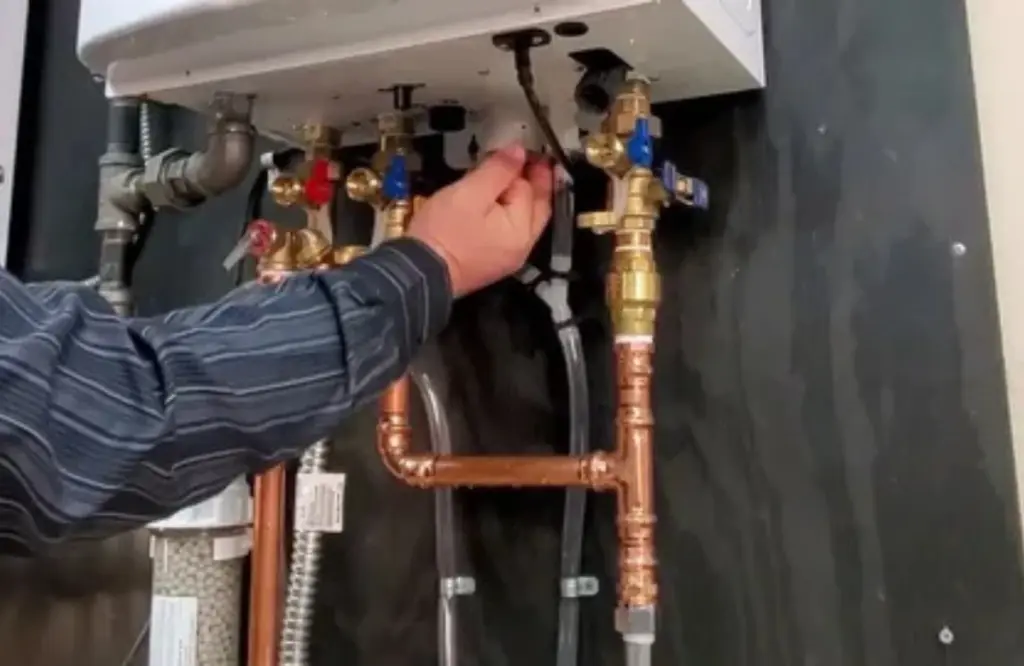
Flush your tankless water heater once a year to clear mineral deposits. Shut off the power and water lines first. Connect hoses to the inlet and outlet valves then run a vinegar solution through the system. This descaling and flushing step dissolves scale and restores flow rate optimization in minutes.
Let the solution sit for thirty minutes before rinsing everything clean. You remove sediment buildup removal that clogs the heat exchanger. Many Compton homes see big improvements in hot water pressure right after a good flush. Skip this step and efficiency drops fast.
Heat Exchanger Cleaning and Inlet Filter Cleaning
The heat exchanger is the heart of your tankless water heater. Dust and scale build up there and cut heat transfer. Turn off the unit and gently clean the fins with a soft brush or low-pressure air. Follow up with inlet filter cleaning to catch debris before it reaches the exchanger.
Clean the screen filter every six months or sooner if you notice weak flow. This quick task stops sediment from reaching critical parts. You maintain strong hot water pressure and help the system run at peak efficiency for longer.
Gas Line Inspection and Electrical Connection Check
Gas-powered units need a quick safety check once a year. Look for leaks around the gas line and make sure vents stay clear. A professional handles gas line inspection to catch hidden problems early. This step prevents dangerous issues and keeps your unit running safely.
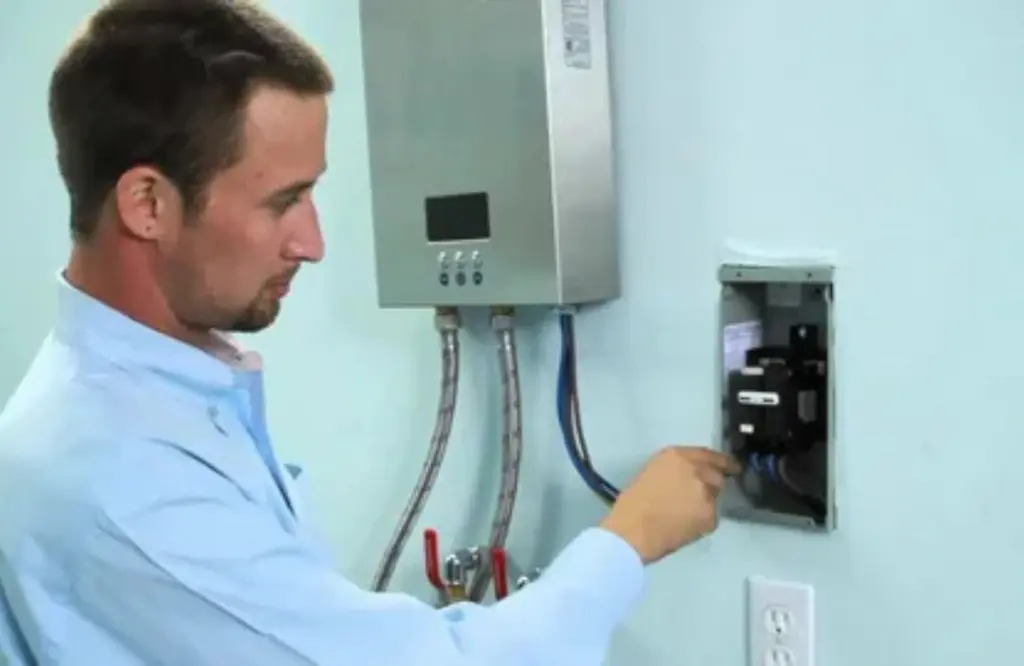
Electric models need an electrical connection check too. Tighten loose wires and look for corrosion. These simple inspections catch problems before they cause error codes or shutdowns. You protect the whole system and avoid costly emergency calls.
Thermostat Calibration and Error Code Diagnostics
Digital displays on modern tankless water heaters show error codes when something goes wrong. Learn the common codes in your manual. Reset the unit or note the code before calling for help. Thermostat calibration keeps water temperature steady and prevents scalding or lukewarm surprises.
A quick calibration once a year makes a big difference. You catch small drifts before they affect comfort. Combine this with preventive maintenance scheduling and your tankless water heater stays reliable year after year.
Signs Your Tankless Water Heater Needs Professional Help
Strange noises like rattling or knocking point to scale inside the unit. Fluctuating hot water pressure or sudden cold spots mean it is time to act. Error codes that keep appearing after resets also signal deeper trouble.
If your unit is over ten years old and maintenance has been spotty you should get it checked. A pro can spot hidden wear and restore full performance. Early action often adds several extra years to your tankless water heater lifespan.
Smart Habits That Extend Your Tankless Water Heater Lifespan
Set your temperature between 120 and 140 degrees to reduce scale formation. Install a whole-house water softener if your area has very hard water. These small changes cut the workload on your unit and protect the heat exchanger.
Track your usage patterns too. Spread out high-demand times when possible. Good habits plus regular water heater maintenance turn your tankless water heater into a long-term winner. You enjoy consistent hot water pressure without constant worry.
Why Preventive Maintenance Scheduling Pays Off
Waiting for problems to appear costs more in the long run. A yearly service plan catches issues early and keeps parts working like new. Professionals use the right tools for thorough descaling and flushing that homeowners cannot match.
You save money on energy and avoid major repairs. Preventive maintenance scheduling also keeps your warranty valid longer. Local experts know exactly what Compton water does to these systems and tailor the service to your needs.
Ready to keep your tankless water heater delivering reliable hot water for decades? The team at Barbosa Plumbing & Sewer specializes in water heaters and offers expert tankless water heater maintenance right here in Compton. Visit today to schedule your service. One call gets your system flushed cleaned and tuned so you never worry about cold showers again.
FAQs
u003cstrongu003eHow long does a tankless water heater last with proper care?u003c/strongu003e
Most tankless water heaters reach twenty years or more when you follow regular water heater maintenance. Annual flushing and filter cleaning make the biggest difference in your area.
u003cstrongu003eHow often should I flush my tankless water heater?u003c/strongu003e
Plan a full water heater flush once a year especially if you have hard water. This descaling step removes sediment buildup and keeps hot water pressure strong.
u003cstrongu003eDo tankless water heaters need anode rod replacement like tank models?u003c/strongu003e
No. Tankless water heaters skip the anode rod entirely. That is one reason they often outlast traditional tanks when you stay on top of other maintenance.
u003cstrongu003eCan I clean the inlet filter myself?u003c/strongu003e
Yes. Turn off the water shut off the power and remove the screen for a quick rinse. Do this every six months to support flow rate optimization and avoid clogs.
u003cstrongu003eWhat does an error code on my tankless water heater mean?u003c/strongu003e
Error codes flag problems like low flow or ignition failure. Note the code then call a plumber for full error code diagnostics before the issue worsens.