Clogged drains are one of the most frustrating plumbing problems for both homeowners and business owners. From slow-draining sinks and toilets in residential homes to backed-up sewer lines in commercial kitchens, buildup inside pipes can disrupt daily life and business operations. While traditional methods like snaking and chemical cleaners offer temporary relief, they often fail to remove deep-rooted debris and buildup that cause recurring clogs.
This is where hydro jetting comes in. Hydro jetting uses high-pressure water to thoroughly clean and restore your pipes without harsh chemicals or invasive digging. Trusted by professional plumbers, it eliminates even the toughest blockages from grease and soap scum to tree roots in both residential and commercial plumbing systems.
In this guide, we’ll explain how hydro jetting works, its benefits, and why it’s one of the most effective methods for maintaining healthy drains in homes and businesses alike.
What Is Hydro Jetting?
Hydro jetting is a plumbing technique that uses pressurized water often exceeding 3,500 PSI to blast away grease, sludge, and debris from the interior walls of pipes. A specialized nozzle directs water in multiple directions, providing a 360-degree clean technique expertly performed by Barbosa Plumbing & Sewer in Los Angeles, CA.
Unlike snaking, which only punctures or removes the clog, hydro jetting cleans the entire pipe, removing years of accumulated debris and buildup. This makes it ideal for both residential drain cleaning in kitchens, bathrooms, and laundry rooms, and commercial drain cleaning in restaurants, office buildings, and multi-tenant complexes.
How Hydro Jetting Works
Hydro jetting typically begins with a camera inspection to locate blockages and assess pipe conditions. This ensures that pipes can handle high-pressure cleaning without risk of damage.
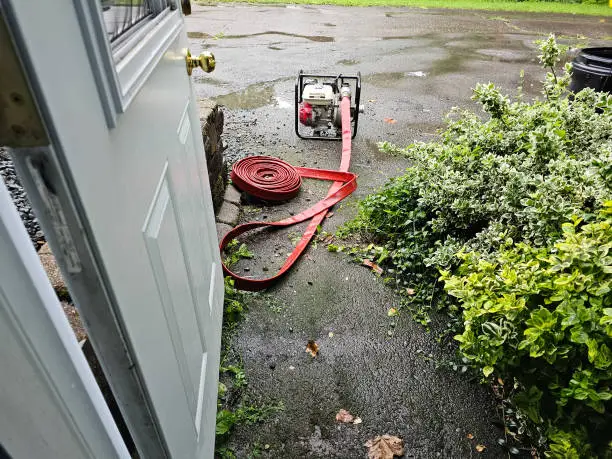
The plumber then inserts a flexible hose with a nozzle into the drain line. The water cuts through grease, soap residue, food waste, mineral deposits, and even small tree roots, flushing all debris through the sewer system.
Process Steps
- Inspection using a plumbing camera
- Selection of nozzle type and water pressure suitable for pipe material
- High-pressure cleaning of pipes
- Post-cleaning inspection to ensure complete flow restoration
By combining mechanical force and precision water flow, hydro jetting provides a deep clean that snaking or chemical methods cannot match.
Benefits of Hydro Jetting for Residential and Commercial Spaces
1. Complete Pipe Cleaning
Hydro jetting removes buildup along the entire pipe, reducing recurring clogs in both residential homes and commercial establishments.
2. Eco-Friendly Solution
Unlike chemical cleaners, hydro jetting uses only pressurized water, making it safe for the environment and your plumbing system. This is crucial for restaurants and businesses concerned about environmental compliance.
3. Cost-Effective Long-Term Maintenance
While residential hydro jetting services typically cost $350–$600, commercial services can range from $800–$1,200 depending on pipe size and severity. These costs are offset by fewer emergency repairs and reduced downtime in both homes and businesses.
4. Safe for Most Pipe Materials
Professional hydro jetting is safe for PVC, copper, and cast-iron pipes, removing debris without damaging the internal surfaces and extending the lifespan of plumbing systems.
5. Prevents Major Sewer Issues
Routine hydro jetting helps prevent backups, corrosion, and blockages which can be especially costly for commercial properties with high-volume wastewater.
When to Use Hydro Jetting
Hydro-jetting is particularly effective in the following scenarios:
- Multiple drains clogging simultaneously is often a main line blockage.
- Recurring clogs despite snaking or plunging.
- Slow drains and foul odors indicating buildup deep in pipes.
- Gurgling or unusual noises when water drains, signaling trapped air.
It is also an excellent preventive maintenance service for both residential homes and commercial kitchens, office buildings, and industrial facilities.
Hydro Jetting vs. Snaking
Both methods clear blockages, but their effectiveness differs:
- Snaking punctures or dislodges the clog. It’s effective for minor blockages but leaves pipe walls coated with grease and residue.
- Hydro-Jetting flushes the entire pipe, removing buildup, grease, and small roots, making it far superior for long-term maintenance in both homes and businesses.
Think of snaking as a quick fix and hydro jetting as a comprehensive pipe restoration.
Residential vs. Commercial Hydro Jetting
Residential Hydro Jetting
Ideal for homeowners facing clogged kitchen sinks, laundry drains, bathroom tubs, or sewer lines. Residential hydro-jetting prevents recurring clogs, reduces odors, and keeps plumbing systems efficient.
Commercial Hydro Jetting
Perfect for restaurants, offices, and apartment complexes where pipes handle heavier loads and more frequent waste. Commercial hydro-jetting removes grease, debris, and scale from main lines, preventing costly downtime, business interruptions, and emergency repairs.
How Often Should You Schedule Hydro Jetting?
- Residential properties: Every 18–24 months to prevent clogs.
- Commercial properties: Every 6–12 months, depending on traffic, waste type, and pipe size.
Regular hydro-jetting ensures smooth flow, prevents costly repairs, and increases the lifespan of both residential and commercial plumbing systems.
Safety and Professional Expertise
Hydro-jetting requires trained professionals with the right equipment. Incorrect pressure can damage pipes, particularly in older homes or commercial buildings. Licensed plumbers adjust pressure based on pipe type, size, and age.
Camera inspections before and after cleaning ensure the system is safe and thoroughly cleaned. This attention to detail reinforces EEAT standards (Experience, Expertise, Authoritativeness, Trustworthiness).
Estimated Cost of Hydro Jetting in 2025
- Residential lines: $350–$600
- Commercial sewer lines: $800–$1,200
- Main line or heavy root intrusions: $1,000–$2,000
Investing in hydro-jetting prevents repeated plumbing issues and reduces emergency repair costs, making it a cost-effective solution for homes and businesses.
Conclusion
Hydro-jetting is a highly effective, eco-friendly, and long-lasting solution for clogged drains. Whether for a home or commercial property, it doesn’t just remove blockages it restores your plumbing system to near-original condition.
Choosing licensed, experienced plumbers ensures proper water pressure, safe nozzle use, and comprehensive cleaning. By investing in hydro jetting, homeowners and business owners alike protect their plumbing systems, reduce maintenance costs, and avoid disruptive clogs and backups.
Frequently Asked Questions (Q&A)
1. How powerful is hydro-jetting?
Hydro-jetting machines operate at 3,000 to 4,000 PSI, powerful enough to remove grease, sludge, and even small tree roots.
2. Can hydro jetting damage old pipes?
When performed by professionals, it is safe. Older or corroded pipes should be inspected before jetting.
3. How does residential hydro-jetting differ from commercial?
Residential hydro jetting focuses on household drains, while commercial hydro-jetting handles larger pipes, higher waste volumes, and frequent use.
4. How long does hydro-jetting take?
Typically, 1–2 hours for residential systems and 2–4 hours for commercial lines, depending on pipe length and severity.
5. Does hydro-jetting use chemicals?
No. It relies solely on pressurized water, making it safe for both homes and businesses.