When water starts rising instead of draining, every second counts. Sinks, tubs, and floor drains can flood in minutes, so all homeowners need to know Emergency Drain Cleaning. Knowing how to handle the immediate result of either a clogged kitchen sink before guests or a clogged storm drainage basement drain can save thousands of dollars in damage. And it takes only a few seconds to save your plumbing, floors, furniture, and even your health.
What is the Utility of Emergency Drain Cleaning?
The speed at which a clog may happen is surprising to most homeowners. One moment, all is well, and the next, water is pouring over your floors. Overflows occur when pipes become clogged with grease, hair, soap scum, food, tree roots, or other foreign objects. In such cases, emergency drain cleaning is essential to remove the blockage quickly and prevent further flooding.
- Standard plungers or slow-drain cleaners don’t always clear blockages.
- Emergency drain cleaning may be needed.
- Clogs can signal larger issues like sewer line bursts or poor ventilation.
- Knowing the causes helps you respond quickly and prevent further problems.
Immediate Steps to Take When You Notice Overflow
In the event of a drain overflow in Mid City, CA, remain composed and take action. To prevent additional water damage, first shut off the water supply to the affected fixture. Next, check the surrounding drains to see whether it’s a single drain or multiple drains. If several drains are backing up, you probably need emergency drain cleaning right away, as it may indicate a major clog in the main line.
Wipe up the water with towels, remove objects and items in the wet place, and avoid using other water devices such as washers or dishwashers. Stop it, guard your home, and prepare to receive professional assistance.
The Role of Plungers and Basic Tools in Emergencies
When a drain clog strikes, knowing which tools to use can make all the difference. From simple household solutions to professional equipment, here’s how to tackle blockages safely and effectively:
- Simple tools can help quickly: Even basic tools like a high-quality plunger can create enough pressure to loosen minor clogs.
- Handheld drain snakes work near the surface: Perfect for breaking through shallow blockages close to the drain opening.
- Be cautious with chemical drain cleaners: While they may seem convenient, they can damage pipes and make water hazardous if it splashes back.
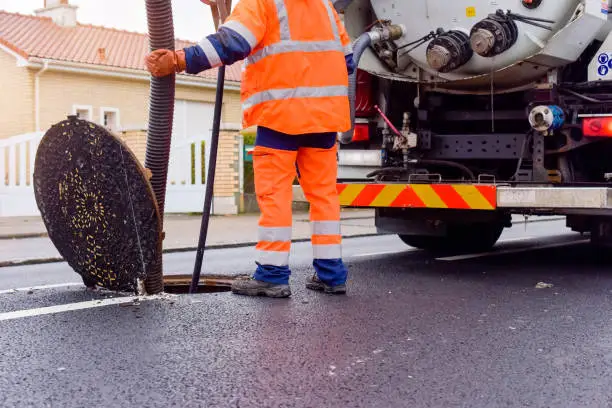
- Professional equipment is safer and more efficient: Tools like hydro jetting and motorized augers handle emergency clogs effectively, reducing risk and saving time.
Why Professional Emergency Drain Cleaning Matters
You cannot tell when a plumbing crisis will occur. The problem is diagnosed by a licensed plumber who clarifies it to the latter and prevents its recurrence. They rely on such tools as sewer cameras to view the precise location of the blockage and choose the safest method to remove it. With Emergency Drain Cleaning, professionals often spot additional problems like root intrusion, pipe corrosion, or grease blockages that could cause future backups.
How to Prevent Future Overflows
Once an emergency drain issue is resolved, prevention becomes your best defense. Regular care can save you time, money, and stress in the long run:
- Perform regular maintenance: Routine care reduces the chances of emergency drain problems.
- Use drain screens: Trap hair and debris before they cause clogs.
- Avoid pouring grease down the sink: Grease can solidify and block pipes.
- Never flush wipes or hygiene products: Even “flushable” wipes can cause serious blockages.
- Schedule professional drain cleaning: Have a plumber inspect and clean drains every six to twelve months.
- Prevent root, rust, and debris buildup: Early detection keeps your drains flowing and avoids costly emergencies.
- Invest in prevention: Protects your home from flooding and reduces stress while being cost-effective.
When to Call for Emergency Help Immediately
Certain warning signs in your home signal that emergency drain cleaning may be needed. Don’t ignore them quick action can prevent serious damage:
- Gurgling sounds from drains: Indicates air trapped in pipes or a blockage.
- Foul odors coming from drains: Often a sign of trapped waste or sewer issues.
- Water backing up in multiple fixtures: Suggests a major clog in the main sewer line.
- Slow drains throughout the house: Points to a systemic blockage rather than a single drain.
- Take immediate action: Turn off running water and call a professional plumber.
- Early intervention reduces damage: Acting quickly can prevent extensive repairs and restore your home efficiently.
Final Thoughts
Drain overflows are stressful conditions, and knowing what to do and act fast, you will be able to save your home and avoid long-term damage. Understanding when to act, what tools to use, and when to call for professional Emergency Drain Cleaning ensures your plumbing stays safe, clean, and functional. Emergencies are unpredictable, but it would be good to be ready so that you are able to cope with the situation professionally.
FAQs
1. What causes most drain emergencies?
Grease, hair, food debris, and tree roots are the biggest culprits of sudden clogs.
2. Can I fix an overflowing drain myself?
Minor clogs can sometimes be handled with a plunger, but major backups require professionals.
3. How fast should I call for Emergency Drain Cleaning?
Immediately. Delaying increases water damage and repair costs.
4. Are chemical drain cleaners safe?
Often no. They can damage pipes and make backup water hazardous.
5. How do I prevent future emergencies?
Regular maintenance, drain screens, and mindful disposal habits significantly reduce clog risks.