
Water leak detection is essential because water leaks are one of the most common yet costly problems homeowners face. They often start small and go unnoticed, quietly causing damage to walls, floors, and foundations. Beyond structural issues, undetected leaks can increase your water bills and create conditions for mold and mildew growth, which can affect your family’s health.
Early leak detection is crucial. By identifying leaks before they escalate, homeowners can save thousands in repairs, reduce water waste, and maintain a safe, efficient home. This guide provides actionable insights into water leak detection, preventing damage, and finding professional help when necessary.
What Causes Water Leaks in Homes?
Leak detection starts with understanding why leaks occur. Common causes include:
- Aging or corroded pipes that develop cracks or holes
- Loose or damaged faucet fixtures
- Faulty appliances like water heaters, washing machines, and dishwashers
- Hidden roof leaks that allow water to seep into walls and ceilings
- Clogged or broken drainage systems
According to the Environmental Protection Agency (EPA), the average household can waste over 10,000 gallons of water annually due to leaks. Early water leak detection in Los Angeles, CA is essential for saving money and preventing structural damage.
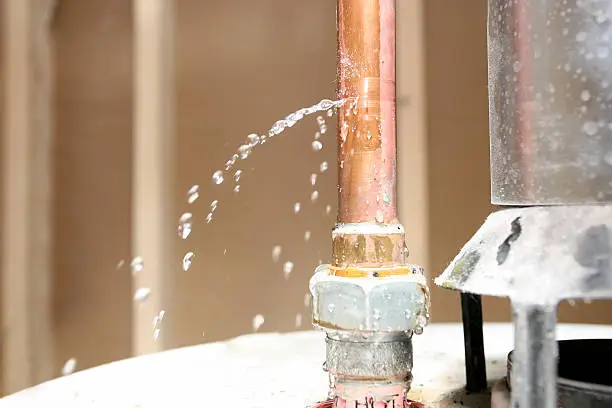
Common Signs of Water Leaks
Homeowners should watch for early warning signs, including:
- Unexplained spikes in water bills
- Water stains or discoloration on walls, ceilings, or floors
- Persistent damp or musty odors indicating mold or mildew
- Dripping or running sounds when all faucets are off
- Low water pressure in taps and showers
Even small leaks can cause long-term damage. Timely water leak detection can prevent major repairs and excessive water loss.
How to Detect Water Leaks
1. Visual Inspection
Start by checking common leak areas such as under sinks, around toilets, behind appliances, and near water heaters. Look for water stains, mold growth, or pooling water. Outdoor irrigation systems and hoses should also be inspected. Visual inspections are the simplest form of water leak detection.
2. Monitor Your Water Meter
Your water meter can reveal hidden leaks. Turn off all water fixtures in your home and note the reading. Check it again after a few hours—any changes suggest a potential leak somewhere in the plumbing system. This method is an easy, cost-effective way to track water leak detection.
3. Use Modern Detection Technology
Advanced tools like acoustic leak detectors, infrared cameras, and moisture meters allow precise water leak detection behind walls, under floors, and in other hard-to-reach areas. Smart water sensors can alert homeowners in real time, preventing damage before it escalates.
4. Hire Professional Leak Detection Services
Professional water leak detection services use advanced equipment to locate leaks accurately and safely. Experts can detect leaks without causing unnecessary damage, ensuring timely repairs. Many homeowners search for residential water leak detection services or emergency water leak detection for urgent situations.
Preventing Water Leaks in Your Home
Prevention is just as important as detection. Consider these strategies:
- Regular plumbing inspections to identify potential weak spots or worn seals
- Install smart leak detectors for instant alerts
- Maintain appliances like dishwashers, washing machines, and water heaters
- Insulate pipes to prevent freezing and bursting in cold months
- Upgrade old plumbing systems with modern, durable materials
Implementing these preventive measures supports long-term water leak detection and reduces the likelihood of hidden leaks causing major problems.
Finding Reliable Water Leak Detection Services
When searching for professional help, homeowners often use phrases like “water leak detection near me,” “emergency water leak detection,” and “residential water leak detection services.” Local providers can respond quickly to urgent situations, preventing further damage.
Using relevant service-related keywords, such as pipe leak detection, plumbing inspection, water damage prevention, and leak repair services, helps search engines understand the content while keeping it helpful for readers.
Conclusion
Water leak detection may seem like a small task, but it is critical for maintaining a safe, efficient, and cost-effective home. By understanding the common causes and signs of leaks, using modern detection methods, and taking preventive steps, homeowners can protect their property, conserve water, and save money.
Whether you rely on DIY methods or professional water leak detection services, early detection is the key to preventing costly repairs and safeguarding your home.
Frequently Asked Questions (FAQs)
Q1: How can I detect hidden water leaks in my home?
Hidden leaks are often detected by monitoring water bills, checking your water meter, inspecting walls and ceilings for stains, and using smart water sensors or professional water leak detection tools.
Q2: What areas of the home are most prone to leaks?
Common leak-prone areas include under sinks, around toilets, behind appliances, water heaters, irrigation systems, and sometimes roofs or exterior walls. Water leak detection is particularly important in these spots.
Q3: Can water leaks increase my energy bills?
Yes. Leaks can cause water heaters to work harder, increasing energy consumption. Early water leak detection can reduce waste and lower utility costs.
Q4: Should I hire a professional for leak detection?
Professional water leak detection services are recommended for hidden or complex leaks. Experts use advanced equipment to locate and repair leaks accurately, preventing unnecessary damage and long-term issues.
Q5: How much water can a small leak waste?
Even a small leak, such as a dripping faucet, can waste over 3,000 gallons of water per year, leading to higher bills and potential structural damage. Timely water leak detection is essential to avoid these losses.